Why So High Premium Syringes Matter for Cannabis Oil Dosing
If you have spent any time filling your own cannabis oil cartridges or measuring out delta-8 THC distillates, you know the frustration of a syringe that sticks, leaks, or delivers the wrong dose. I have been there myself, trying to eyeball a half-milliliter of thick delta-9 THC concentrate through a cheap plastic syringe that refused to move smoothly. That experience taught me that the tool matters as much as the oil. That is why I want to talk about the practical difference a well-made syringe makes, and why the phrase "so high premium syringes" actually means something tangible when you are working with concentrates and distillates.
The Dosing Problem with Thick Cannabis Oils
Cannabis oils and concentrates vary widely in viscosity. Some distillates from an online dispensary pour like water; others are nearly solid at room temperature. Terpenes and cannabinoids each have their own consistency, and when you combine them into a custom blend, the viscosity can shift dramatically. A standard plastic syringe from a pharmacy may handle thin tinctures but fail completely with thick delta-8 THC distillate. The plunger sticks, the barrel cracks under pressure, or the tip clogs. That is not just annoying, it wastes expensive product and ruins dosing accuracy.
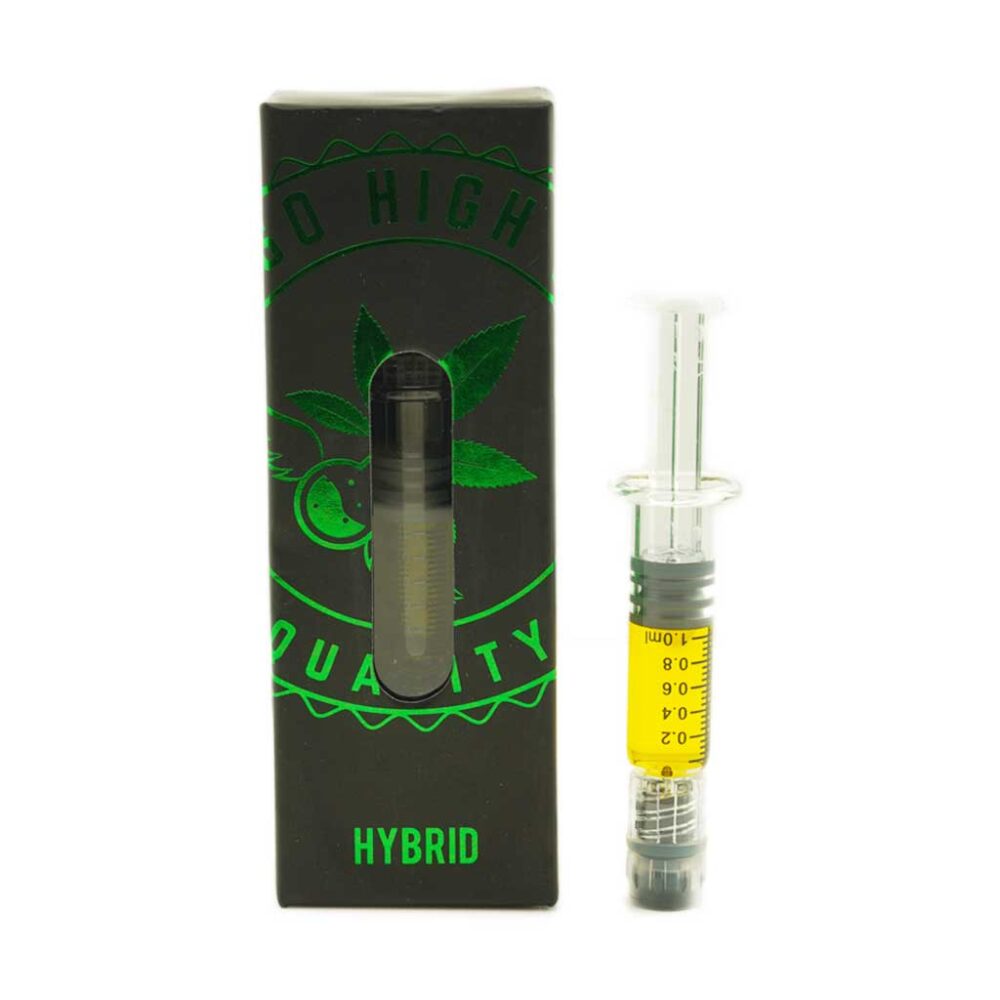
Needle-free syringes are common in this space because nobody wants to handle sharp tips when filling cartridges or pipettes. But the quality of that needle-free syringe makes all the difference. A cheap one may have a poorly fitted plunger that lets air in or oil out. A well-made one holds a tight seal and moves smoothly even with heavy distillates. That is where the concept of "so high premium syringes" comes into play. It is not marketing fluff; it describes syringes engineered for the specific challenge of handling viscous cannabis oils.
What Makes a Syringe Premium in This Context
Premium syringes for cannabis oils share a few design features that matter in practice. First, the barrel material. Glass syringes offer a slick surface that resists sticking and cleans up better than plastic syringes, which can absorb terpenes over time. Glass also lets you see the exact color and clarity of your distillate, which helps when you are blending or checking for impurities. But glass breaks, so many users prefer high-grade polypropylene plastic syringes that are chemically resistant and less prone to cracking. The best plastic syringes use medical-grade resins that do not leach into the oil.

Second, the plunger seal. A tight seal is essential for dosing accuracy. Luer lock fittings are the gold standard here because they let you attach a pipette or blunt tip securely without leaking. A luer lock syringe paired with a fine pipette gives you control down to a tenth of a milliliter, which matters when you are working with potent delta-9 THC concentrates where a few extra drops change the experience entirely. Branded packaging from a reputable manufacturer usually guarantees consistent quality across a batch, which is important if you buy wholesale for a small business or personal stock.
Third, the tip design. Needle-free syringes rely on a smooth, tapered tip that fits standard cartridge fill ports. Cheap tips can be rough or off-center, causing the oil to dribble down the side instead of going into the cartridge. A truly premium syringe has a precisely molded tip that seats firmly and directs the flow cleanly. I have seen people blame their cannabis oil for leaking when the real culprit was a poorly made syringe tip.
Real-World Differences in Practice
I remember comparing two brands of plastic syringes side by side with the same batch of delta-8 THC distillate. One was a generic pharmacy syringe; the other was a branded syringe marketed for concentrates. The generic one required so much force to push the plunger that I worried the barrel would crack. The branded one moved with a smooth, even glide. That difference is not just comfort, it translates to repeatable doses batch after batch. When you fill fifty cartridges for friends or customers, you want every one to contain the same amount of active cannabinoids. That kind of consistency depends on your syringe as much as your oil.
Wholesale buyers sometimes overlook the syringe as a commodity item, but the cost difference between a good syringe and a bad one is small compared to the value of the product it handles. Wasting even a few milliliters of high-potency distillate because of a leaky syringe eats into margins fast. Paying a little more for "so high premium syringes" is an investment in not throwing your cannabis oil down the drain.
Syringe Tips and Pipettes: The Little Things
Syringe tips are a separate variable worth considering. Some users prefer pipettes for their flexibility, a thin plastic pipette can reach into narrow bottle necks and bend to avoid spillage. But pipettes lack the precise measurement marks of a syringe. Others prefer a luer lock syringe with a detachable blunt tip, which gives you the best of both: accurate volume measurement and a flexible dispensing end. The choice depends on whether you prioritize dosing accuracy or ease of filling awkward containers. For most work with cannabis oils and concentrates, a luer lock syringe with a removable tip is the most versatile setup.

I keep both glass and plastic syringes in my kit. Glass for thin distillates where I want to see the liquid level clearly, plastic for thicker oils where the plunger needs more force. Neither is universally better; the right tool depends on the viscosity of the specific batch. But I have stopped buying the cheapest plastic syringes online. The savings are not worth the frustration of a stuck plunger or a cracked barrel halfway through a fill. The branded packaging from a known manufacturer gives me confidence that the syringe will work as expected.
Dosing Accuracy and Potency Control
Potency is everything in cannabis oils. A difference of 0.1 milliliter can mean the difference between a mild effect and an overwhelming one, especially with concentrated delta-9 THC distillates. Dosing accuracy is not just about the markings on the syringe barrel, it is about whether those markings are actually accurate. I have tested syringes that claimed 1 milliliter marks but delivered closer to 0.9 milliliters when measured against a graduated cylinder. That kind of error compounds over multiple fills and can ruin the consistency of your final product. Premium syringes usually have tighter manufacturing tolerances, which means the markings on the barrel actually match the volume dispensed.
If you are making your own blends or filling cartridges for others, you cannot afford guesswork. The relationship between syringe quality and potency control is direct. A good syringe gives you reliable, repeatable doses. A bad one introduces random variation that undermines all your careful mixing. That is why experienced users gravitate toward "so high premium syringes", not because of the label, but because the label correlates with real performance.
Buying from an Online Dispensary vs. General Suppliers
An online dispensary like Kush Station that specializes in cannabis oils and concentrates has a different perspective on syringes than a general medical supply store. They see what works and what fails in the hands of real customers. When a shop stocks branded syringes alongside their distillates, they are implicitly vouching for that product. It is worth paying attention to which syringes a reputable online dispensary chooses to sell. They have tested them against the same thick, terpene-rich oils you are using.
Wholesale buyers should ask about the syringe source before committing to a large order. A few cents per unit saved on cheap plastic syringes can cost dollars in wasted product and unhappy customers. The same logic applies to individual users: one good syringe lasts through many fills if cleaned properly, while a bad one may fail on the first use. Investing in quality saves money in the long run.
The Bottom Line on Syringe Choice
Choosing the right syringe for cannabis oils and concentrates is a practical decision with real consequences for dosing accuracy, product waste, and user frustration. The phrase "so high premium syringes" captures a genuine category of products designed for this specific use case. Whether you prefer glass or plastic, luer lock or pipette, the key is to match the syringe to the viscosity and volume of your distillate. Do not assume all syringes are the same. They are not. And your cannabis oil deserves a tool that handles it properly.
I have gone through enough stuck plungers and cracked barrels to know better now. The next time I order concentrates from an online dispensary, I add a pack of premium syringes to my cart without hesitation. The cost is trivial compared to the peace of mind that comes from knowing each fill will be accurate and clean. That is the real value behind the label.